
Thyroid Function Tests: What They Reveal About Your Body
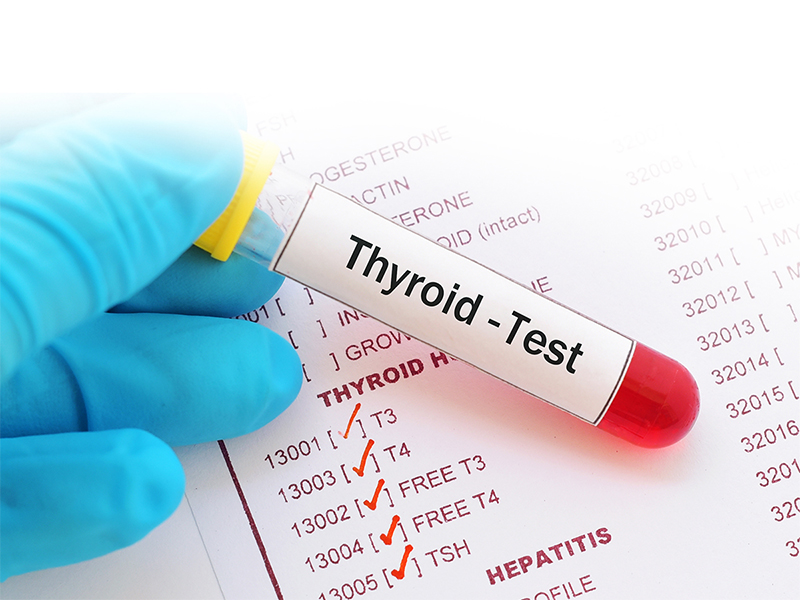
The thyroid is a small gland that has an impact on how the body functions. It has the shape of a butterfly and is positioned at the front of the neck. It influences how the body uses energy. A small disruption in thyroid function can cause significant physical and mental changes, in terms of mood, energy levels, weight, and several other issues.
The thyroid works in close association with the pituitary gland, which releases thyroid-stimulating hormone (TSH) to signal the amount of hormone the thyroid should produce. Any fault in the communication can cause hormone levels to rise or fall abnormally, thus affecting organs throughout the body. Doctors advise Thyroid Function Tests (TFTs) to evaluate hormonal balance and find out thyroid-related conditions at an early stage.
The thyroid gland releases hormones directly into the bloodstream from where they reach every cell of the body. Two main hormones such as triiodothyronine (T3) and thyroxine (T4) are produced by the gland using iodine from the food. These hormones regulate functions like breathing, heart rate, central and peripheral nervous system function, body weight, muscle strength and menstrual cycles.
To know the TFT test price, you can do an online search and contact the best diagnostic and pathology facilities in your area.
If an individual shows symptoms such as irregular heartbeat, heat sensitivity (hyperthyroidism), fatigue, unexplained weight changes, weight gain, and sensitivity to cold (hypothyroidism), then the doctor may suggest TFT test. This test is also useful to monitor thyroid hormone replacement therapy and evaluate infertility in women.
Tests included:
- FT3: It finds out triiodothyronine levels to detect hyperthyroidism.
- FT4: It determines the levels of thyroxine to evaluate hypothyroidism and hyperthyroidism.
- TSH: It detects both hypothyroidism (underactive thyroid) and hyperthyroidism (overactive thyroid) and monitors treatment with thyroid hormone tablets.
An overactive thyroid may raise the chances of heart-related complications and loss of bone strength. An underactive thyroid, on the other hand, can cause weight gain, joint discomfort, and cardiovascular problems. These issues need early identification, as untreated disorders can have long-term effects on overall health.
In addition to evaluating thyroid conditions, TFTs are commonly used as a preventive screening tool for people who are more vulnerable. This includes pregnant women, older individuals, those with autoimmune conditions, and people with a family history of thyroid disease. During pregnancy, the body’s demand for thyroid hormones increases, making regular monitoring important for the well-being of both the mother and the developing baby.
A thyroid function test is a simple blood test and, in most cases, does not require fasting unless specifically recommended by a healthcare provider. Test results should always be reviewed by a qualified medical professional, as thyroid hormone levels can be influenced by factors such as age, pregnancy, medications, and existing health conditions.
Everyday factors like dietary iodine intake, stress levels, and the use of certain medicines, also have an impact on thyroid functions. Ongoing follow-up and sticking to the prescribed treatment plan are essential for keeping thyroid disorders under control and supporting long-term health.
Disclaimer: This article is for informational purposes only and should not be used as a substitute for professional medical advice. Always consult a qualified healthcare provider for diagnosis, treatment, and interpretation of test results.