How In-Home Support Helps Seniors Stay Independent Longer
For many older adults, independence is deeply connected to staying at home. Home is familiar. It holds routines, memories, neighbors, pets, and a sense of control that can be hard to replace.
As people age, though, daily tasks can become harder to manage. A missed medication dose, a fall in the bathroom, poor nutrition, or untreated hearing loss can quietly raise the risk of health setbacks.
In-home support can help bridge the gap between living fully independently and needing a higher level of care. These services do not have to take over a senior’s life. When planned thoughtfully, they can support safety, health management, mobility, social connection, and everyday comfort while helping older adults keep control over their routines.
Understanding the Role of In-Home Support
In-home support can include a wide range of services. Some focus on practical help, such as meal preparation, light housekeeping, transportation, bathing assistance, and mobility support. Others may involve care coordination, therapy, hearing care, or wellness visits brought directly into the home.
The goal is simple: help seniors live safely and comfortably where they are.
This kind of support can be especially helpful when a senior does not need full-time medical supervision but could still benefit from regular assistance. Someone recovering from surgery may need help getting dressed, preparing meals, and moving around the house. Another person may live alone and need companionship, reminders, and help with errands.
In Missoula, MT, services such as AlpenglowCaresMT.com provide daily living assistance, senior support, and companionship services that reflect this broader approach to aging at home. Non-medical home care can be an important part of a senior’s support system, especially when family members live far away or cannot provide daily help.
Improving Home Safety and Fall Prevention
Safety is one of the biggest reasons families consider in-home support. Falls are a major concern for older adults, and they often happen during everyday moments, like walking to the bathroom, reaching for an item, or getting out of bed. A caregiver or in-home support worker can help identify risks before they lead to injury.
Small changes can make a home much safer. These may include clearing clutter from walkways, improving lighting, securing rugs, adding grab bars, and moving frequently used items within easier reach. Seniors may not always notice these risks because they are used to the layout of their home. A fresh set of eyes can spot hazards that have become part of the background.
In-home support can also help with safe movement throughout the day. This may include assistance with transfers, walking, bathing, dressing, and using mobility aids properly. These small moments matter. When seniors feel safer moving around their home, they are often more willing to stay active, which can support strength, balance, and confidence.
Supporting Medication Routines
Medication schedules can become more complicated with age, especially when someone takes several prescriptions at different times of day. Missing a dose, taking the wrong amount, or mixing medications incorrectly can lead to serious health problems. Even seniors who are mentally sharp may struggle when schedules change or new medications are added.
In-home support can help seniors stay on track through reminders, organization, and routine. A caregiver may remind an older adult when it is time to take medication, make sure pill organizers are filled according to instructions, or notice when a prescription is running low. While non-medical caregivers generally do not make clinical decisions, they can still play an important role in helping seniors follow the plan created by their healthcare providers.
Medication routines are also tied to daily habits. A senior who eats irregularly, skips breakfast, or sleeps at inconsistent times may have more trouble taking medications correctly. In-home support can help create a predictable daily rhythm, which makes health routines easier to maintain.
Encouraging Mobility, Comfort, and Pain Management
Staying independent often depends on staying mobile. When pain, stiffness, arthritis, or balance problems make movement difficult, seniors may start avoiding activity. Over time, this can lead to weaker muscles, reduced flexibility, isolation, and a greater risk of falls.
Some older adults benefit from wellness services brought directly into the home. California Mobile Acupuncture, for example, offers in-home acupuncture, which may be part of a broader comfort or pain-management routine for some seniors. For older adults who have difficulty traveling to appointments, mobile services can reduce the burden of transportation and make supportive care easier to access.
In-home support can also encourage gentle daily movement. This might include walking indoors, completing prescribed exercises, stretching, or simply helping a senior move safely from room to room. The goal is not to push beyond safe limits. It is to help seniors maintain function and confidence. When older adults feel less afraid of movement, they are more likely to stay engaged in daily life.
Reducing Isolation Through Companionship
Independence is not only about physical ability. Emotional well-being plays a major role in how well seniors age at home.
Many older adults experience loneliness after losing a spouse, stopping work, giving up driving, or seeing friends move away. Social isolation can affect mood, motivation, appetite, sleep, and physical health.
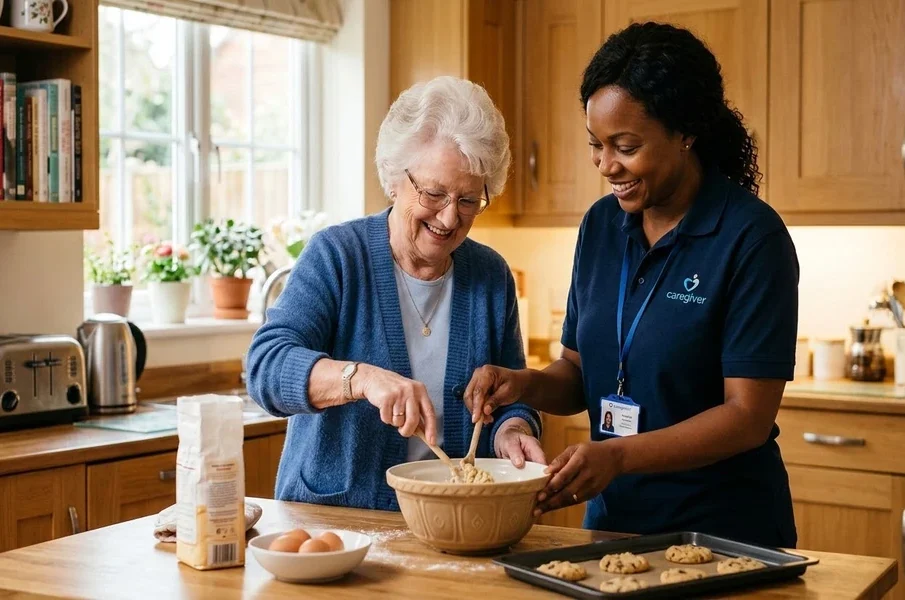
Companionship is one of the most overlooked benefits of in-home support. A regular visitor can provide conversation, shared activities, help with hobbies, or company on walks and errands. These interactions can give structure to the day and help seniors feel seen and valued.
Family members often provide emotional support, but they may not be available as often as needed. A companion or caregiver can fill some of the gaps between family visits. Even simple routines, like having tea together, folding laundry while talking, or going through old photos, can help reduce loneliness and improve quality of life.
Addressing Hearing, Communication, and Confidence
Hearing loss can have a major effect on independence. Seniors who cannot hear well may miss medication instructions, misunderstand conversations, avoid social situations, or fail to notice alarms, doorbells, phones, or approaching vehicles. Over time, untreated hearing issues can lead to frustration and withdrawal.
Hearing care for seniors can help address these challenges. Advanced Audiology Care provides hearing care services that may support older adults in communicating more clearly with family, caregivers, and healthcare providers. Better hearing can also improve safety at home, especially when seniors need to respond to warning sounds or verbal cues.
Communication affects confidence. When seniors can follow conversations, ask questions, and understand instructions, they are more likely to participate in their own care. In-home support works best when older adults can clearly share their needs, preferences, discomfort, and concerns. Hearing care can be an important part of that larger independence plan.
Helping Seniors Maintain Nutrition and Daily Routines
Good nutrition supports energy, immune function, medication effectiveness, and overall health. Yet many seniors struggle with meals. Cooking may feel tiring. Grocery shopping may be difficult. Dental issues, appetite changes, or grief can also affect eating habits.
In-home support can help with meal planning, grocery lists, cooking, and monitoring whether food is being eaten. A caregiver may prepare simple, balanced meals or make sure snacks and fluids are available throughout the day. Hydration is especially important because older adults may not always feel thirsty, even when they need fluids.
Daily routines also support independence. Regular wake times, meals, hygiene, light activity, rest, and social contact can help seniors feel grounded. When routines break down, small problems can snowball. A skipped meal may lead to dizziness. Missed laundry may affect hygiene. A cluttered kitchen may increase fall risk.
In-home help keeps these everyday needs from becoming larger health concerns.
Coordinating Care With Healthcare Providers
As people age, healthcare often involves multiple providers, prescriptions, screenings, and follow-up appointments. Without coordination, important details can get missed. A senior may forget what a doctor said, lose discharge paperwork, or feel overwhelmed by competing instructions.
Primary care plays a central role in senior health. Family physicians and primary care teams can monitor chronic conditions, review medications, recommend screenings, and refer patients to specialists when needed. Clinics that provide primary care for seniors, geriatric care, and ongoing health management can help older adults stay ahead of preventable complications.
For example, Grand Forks Clinic offers primary care services through family physicians in Grand Forks, providing care to support older adults managing routine and age-related health needs. When in-home support and primary care work together, seniors may have a better chance of following care plans, attending appointments, and reporting changes early.
Supporting Family Caregivers
Family caregivers often carry a heavy load. They may manage appointments, medications, meals, transportation, finances, household tasks, and emotional support while also working or caring for their own families. Even when caregiving is done with love, it can become exhausting.
In-home support can reduce pressure on family members by sharing daily responsibilities. This does not replace family involvement. It can make family time less task-focused and more personal. A daughter who no longer has to handle every grocery trip and shower routine may have more energy for conversation, shared meals, and meaningful visits.
Respite matters too. Caregivers need time to rest, work, attend appointments, and manage their own health. When families have reliable support, they may be able to continue caring for an older loved one at home for longer, with less stress and fewer safety concerns.
Conclusion
In-home support helps seniors stay independent by making daily life safer, more manageable, and more connected. It can reduce fall risks, support medication routines, encourage mobility, improve nutrition, and ease loneliness. It can also help families feel less overwhelmed while giving older adults the chance to remain in a familiar environment.
The best approach is usually a coordinated one. Practical help at home, regular healthcare, attention to communication needs, and emotional support all work together.
Independence does not always mean doing everything alone. For many seniors, it means having the right support in place so they can keep living with dignity, comfort, and choice.