
What Embryos Can Reveal Before An IVF Transfer
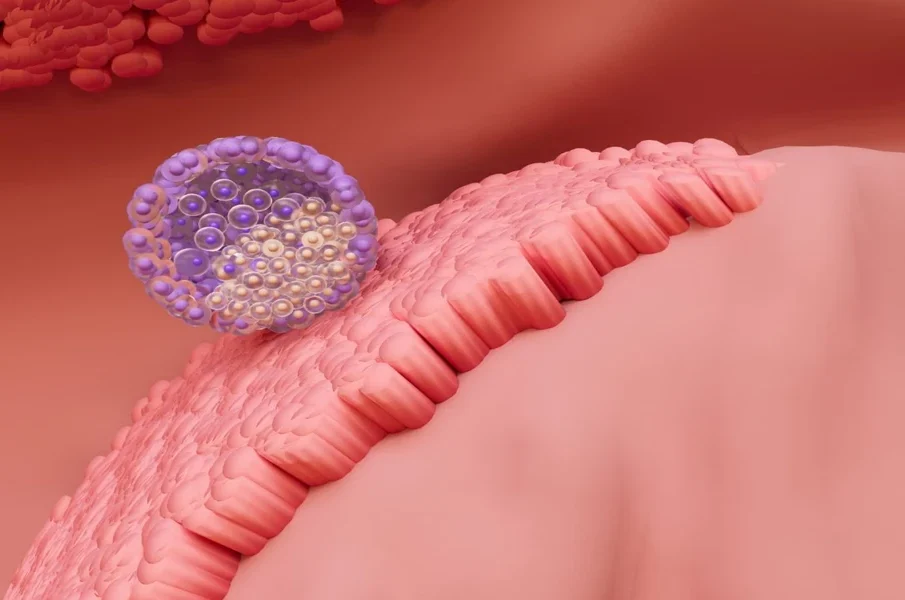
Most first conversations about IVF stay focused on eggs, embryos, timelines – the practical stuff. Genetic testing tends to show up later, almost as an afterthought, once the initial wave of emotion has had time to settle. That’s usually when advanced genetic testing stops sounding like another piece of medical jargon and starts feeling like exactly what it is – another source of information, filling in what a microscope alone just can’t show.
A lot of fertility clinics now build Next-Generation Sequencing, or NGS, right into that process. Instead of judging an embryo purely on how it looks, specialists can actually study its chromosomes before deciding which one has the best shot at a successful transfer.
Where Next Generation Sequencing Changes The Conversation
NGS has genuinely changed what fertility specialists can actually learn from a given embryo.
Once embryos reach the blastocyst stage, a small sample of cells gets carefully collected and analysed. The whole process is built to examine every chromosome pair with a level of precision that older testing methods couldn’t really match, all while leaving the embryo intact for a future transfer.
Rather than relying on the narrower testing approaches used in the past, NGS gives a much fuller picture of chromosomal health. Small variations that might have slipped past detection before can now get flagged ahead of implantation, which means treatment decisions end up resting on more complete information than they used to.
Around this point in the IVF process, the conversation in the clinic tends to shift noticeably. It stops being “which embryo looks the strongest” and starts being “which embryo actually looks genetically suitable for transfer.”
Small Decisions Often Carry The Greatest Weight
Not every patient actually needs genetic screening.
Some couples move through IVF without any additional testing at all. Others arrive after a string of disappointments already behind them, which tends to make every single decision from that point on feel a lot heavier.
Doctors commonly bring up advanced genetic testingfor people who’ve dealt with things like:
- Recurrent pregnancy loss
- Multiple IVF cycles that didn’t succeed
- Advanced maternal age
- A known inherited genetic condition in the family
- Concerns around chromosome-related disorders
Whether it’s recommended really comes down to someone’s individual medical history – there’s no single rule that applies the same way to everyone.
Information That Supports Better Decisions
One thing that stands out about modern fertility care is that success almost never comes down to a single breakthrough moment.
Medication plays a role. So do lab conditions. So does how the embryo actually develops along the way. Genetic information just joins that same list rather than sitting above it.
Nobody involved in IVF expects a single test to answer every question. There are simply too many moving parts for that. NGS becomes useful because it fills in one gap that used to remain unanswered. For many couples, that small shift in understanding feels significant.
The Search For Confidence Never Really Ends
The conversation often feels different once the test results come back. There are still decisions to make, and there are certainly no guarantees, but those decisions are no longer based only on how an embryo appears under the microscope. NGS adds another layer of understanding by identifying embryos with a normal chromosome count before transfer, giving specialists something more substantial to work with.
That’s really why genetic testing keeps earning a bigger role in modern fertility care. It isn’t just another lab procedure tacked onto the process – it’s another chance to understand an embryo more fully before one of the most significant decisions in the whole treatment journey gets made.