Choosing In Home Senior Care in Southern Utah

In home senior care
When a senior lives alone or with a spouse that may not be able to provide all of the care that is needed, family members may begin to worry. In home care for seniors can range from having someone stop by a few times a week for companionship to assistance with ADLs (activities of daily living) such as bathing, toileting, getting dressed, etc.
Recognizing when support is needed
Assessing a loved one’s needs can be tricky. It’s important to consider the senior’s medical conditions, but also take a look at how the senior is doing with day to day activities. Is the fridge bare and medications scattered around the house? Has the senior stopped getting out of the house as much? These can be signs that your loved one could benefit from some assistance. Sit down with your loved one (if possible) and discuss which activities of daily living are becoming tiring, difficult or scary for him or her; Cleveland Clinic provides an overview at www.my.clevelandclinic.org/health/articles/activities-of-daily-living-adls. Some activities to consider:
- Cooking and cleaning up after meals
- Bathing, dressing, using the toilet, personal hygiene
- Remembering to keep up with a schedule (doctor’s appointments, etc.)
- Moving around the house without falling
- Running errands (grocery shopping, etc.)
- Having someone to talk to during the day
Depending on the answers, in home care services could provide your loved one with just a bit of company or hands on assistance with many ADLs. The point of in home care is not to control your loved one’s life, but to provide reliable assistance so that your loved one can continue doing as much as possible on his or her own and avoid unnecessary stress and exhaustion.
Care should fit the person
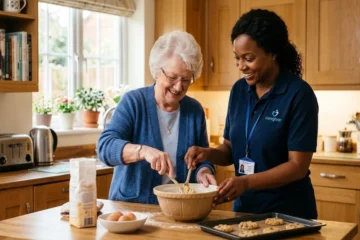
Every senior is different, so it makes sense that in home care services should be tailored to best meet an individual’s needs. Does your loved one love to cook? Instead of having caregivers bring in all prepared meals, maybe your loved one just needs help getting ingredients and planning out menus. That kind of personalized schedule is something St. George Southern Utah In-Home Senior Care coordinates around individual routines and daily needs. Does your loved one love to take a walk in the morning, work on a hobby or chat with neighbors? Caregivers can help your loved one continue doing these things instead of taking them away.
If your loved one has fallen, is having new memory problems, is having difficulty getting out of bed or isn’t managing medications properly, talk to your loved one’s doctor as soon as possible to rule out any medical problems or changes that may be causing these issues. If your loved one just needs a ride somewhere or has a household item that needs repaired, family and friends, transportation services or repair services may be more appropriate.
What kinds of help are available?
In home care services for seniors (that aren’t providing skilled nursing care) generally focus on assistance with ADLs to help seniors continue living safely in their own homes. Depending on the level of care that your loved one needs, in home care services can help seniors with companionship, preparing or obtaining meals, light housekeeping, medication reminders, transportation to appointments and help with ADLs such as bathing and getting dressed.
If your loved one does need skilled care, such as getting shots, physical therapy or help with wounds, make sure it is provided by licensed medical personnel and that everyone involved in your loved one’s care (family, caregivers, doctors, etc.) is communicating so that your loved one’s needs are being met.
Questions worth asking
When speaking with an in home care provider make sure that you have a good understanding of how caregivers are hired, screened, trained and monitored and how they determine which client a caregiver would be a good match for. After all, you’ll want someone that not only can perform the necessary tasks but also gets along well with your loved one. Find out what happens if a caregiver isn’t a good match or if your loved one’s needs change and who you’ll speak with if you have questions or concerns. Also ask about how they handle changes in the schedule or if a caregiver isn’t available.

Senior care at home
Staying involved after care begins
After starting in home care it’s important to continue communicating with your loved one and the caregivers to make sure that everyone’s needs are being met and to discuss any issues or concerns. Make sure that your loved one is comfortable with the services that he or she is receiving and that he or she is still doing things independently that he or she is comfortable doing. Talking to family and friends early on about expectations can also help ease tensions and prevent any misunderstandings about who’s taking your loved one to appointments, picking up groceries, managing finances, visiting, etc.
Think about the kinds of help that your loved one may need, jot down a list and bring it with you when you start speaking with in home care providers. Remember, in home care for seniors should be about meeting your loved one’s needs, not about fears and apprehensions.