
How to Manage Clear Aligner Costs Without Sacrificing Quality
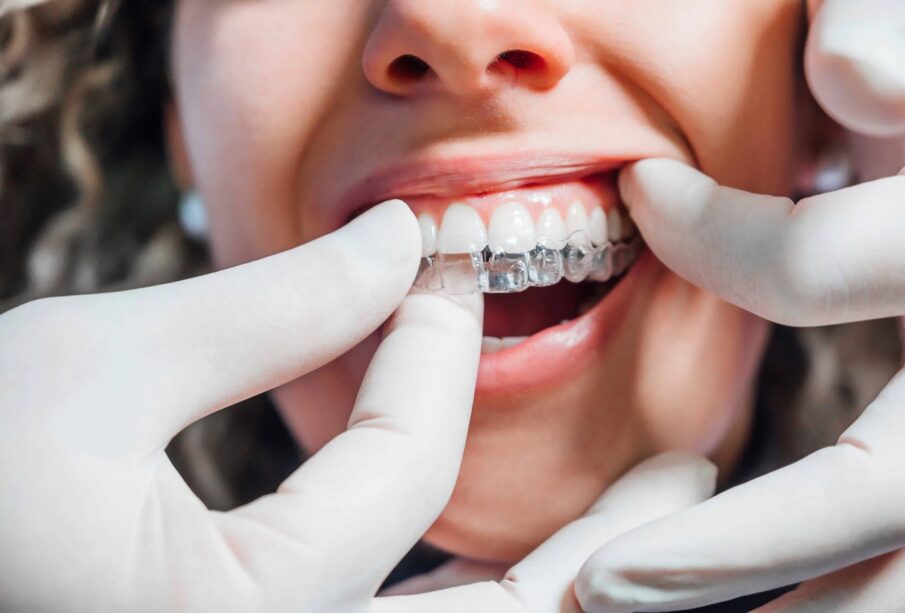
Sticker shock hits hard for anyone searching for that perfect, confident smile. The allure of clear aligners, a discreet, removable alternative to braces, often fades when faced with the price tag. Still, the dream of straighter teeth does not have to come with financial regret or medical compromises.
The Rising Challenge of Clear Aligner Costs
Demand for clear aligners has surged, but so has confusion about what you are actually paying for and how to keep treatment affordable without cutting corners. As more brands flood the market, patients face a crossroads: prioritize cost and risk quality, or pay premium rates for peace of mind. Striking the right balance is not just possible, it is essential.
Why Are Clear Aligners an Attractive but Pricey Option?
Clear aligners promise an almost-invisible path to straighter teeth. No wires, no brackets, no dietary restrictions. This freedom and aesthetic discretion come at a premium. Behind the scenes, technology, custom manufacturing, and professional oversight contribute to the price. Unlike mass-produced dental products, aligners are tailored precisely to your mouth, which means more expertise and higher costs.
Common Cost Components Behind Clear Aligner Treatments
Where exactly does your money go in a clear aligner treatment plan? Here is a breakdown of the core expenses that shape your invoice:
– Initial Consultation: Dental assessment, 3D scans, and treatment planning.
– Aligner Manufacturing: Custom trays crafted from medical-grade materials.
– Check-ups and Adjustments: Regular visits to monitor progress.
– Retention Devices: Post-treatment retainers to preserve results.
– Follow-up Care: Additional aligners or modifications, if needed.
Even services advertised as “all-inclusive” may leave out essentials like retainers or mid-treatment refinement trays. Always request a full itemized quote to avoid hidden costs.
The Financial Impact on Patients: Understanding the Burden
For many, clear aligners represent a significant investment. Price ranges fluctuate dramatically, mostly falling between $2,000 and $8,000, depending on the complexity of the case and the provider. Insurance may only cover a portion, and some patients find themselves overwhelmed by out-of-pocket expenses. This financial pressure sometimes drives people toward low-cost mail-order kits or clinics with questionable credentials, risking long-term oral health for short-term savings.
Decoding Quality in Clear Aligner Treatments
Choosing a clear aligner system is not just about cost. True value lies in the quality of care and the outcomes you can expect.
What Defines Quality in Clear Aligner Care?
The difference between a successful and a frustrating treatment comes down to a few key factors:
– Dentist-Led Supervision: Ongoing oversight from a licensed dental professional.
– Precise 3D Imaging and Planning: Accurate digital models and simulations.
– High-Grade Materials: Durable, comfortable aligner trays.
– Responsive Support: Easy access to your dental team for questions or concerns.
Quality care is proactive, identifying and addressing minor issues before they become major setbacks.
Risks of Choosing Low-Cost, Low-Quality Aligners
Tempting prices can have hidden consequences. Some low-cost providers skip crucial steps like in-person exams or ongoing monitoring. This can lead to poorly fitting trays, slow or uneven tooth movement, gum recession, or even permanent damage. If something feels off during treatment, support may be hard to find. The cheapest route often ends up being the costliest in the long run.
How Does Quality Influence Long-Term Oral Health and Results?
Cutting corners on aligner treatment may provide initial savings but can compromise the stability of your new smile. Poorly executed plans can lead to bite issues, jaw pain, and the need for retreatment. High-quality care ensures not just straight teeth, but a healthy mouth and lasting results.
Practical Strategies to Manage Costs Without Compromise
You do not have to choose between financial health and dental health. With the right strategies, you can control aligner costs while maintaining standards of care.
Comparing Providers: What Should You Look for Beyond Price?
Price is only one part of the equation. To identify the best value, consider these criteria:
– Experience and Credentials: Look for providers with extensive orthodontic training.
– Comprehensive Treatment Plans: Does the quoted price cover all stages, including follow-up and retainers?
– Patient Reviews and Case Studies: Check for positive outcomes and satisfied patients.
– Transparent Communication: Are they clear about what is included, and what is extra?
Some clinics, such as Clinique Savaris clear aligners, offer in-depth consultations and ongoing supervision, positioning themselves as a trustworthy option for those seeking both quality and affordability.
Insurance and Financing Options That Can Ease the Burden
Many dental plans now include partial orthodontic coverage, but the extent varies. Always confirm if clear aligners are covered (some policies are braces-only). Flexible spending accounts (FSAs) and health savings accounts (HSAs) often allow you to use pre-tax dollars for treatment. If insurance falls short, many clinics offer in-house payment plans, spreading costs over several months.
The Role of Dental Schools and Community Clinics in Affordable Care
Dental schools can be a hidden gem. Supervised students provide treatment at a fraction of the standard cost while adhering to rigorous quality controls. Community clinics sometimes offer sliding-scale fees based on income, making clear aligners accessible to more people.
Utilizing Technology and Remote Monitoring to Reduce Visits and Costs
Modern clinics increasingly offer remote monitoring apps and virtual check-ins, which reduce the need for frequent office visits. This technology not only saves time, it can lower total treatment costs by streamlining care. Always make sure remote options still include access to a licensed dental professional for oversight.
Making Smart Choices: Actionable Steps for Patients
A little preparation goes a long way in ensuring you get the best care for your investment.
Preparing a Budget and Setting Realistic Expectations
Start by reviewing your finances and insurance coverage. Set a maximum spend and identify potential sources of assistance. Remember, the cheapest option is not always the best value. Invest in care that prioritizes safety and results.
Questions to Ask Your Provider Before Committing
Do not be shy about asking tough questions:
– Is my case suited to clear aligners?
– What is included in the price?
– Who will supervise my treatment?
– How do you handle complications or refinements?
– What are the success rates and patient outcomes?
A reputable provider will answer transparently.
Maintaining Results Post-Treatment to Avoid Extra Expenses
Retention is crucial. After your final tray, wearing retainers as instructed is the difference between a lifetime of results and a return trip to orthodontics. Ask about the cost and durability of retainers up front, and budget for possible replacements.
Resources for Continued Support and Cost Savings
Look for support groups, online forums, or patient advocates who can provide tips and share experiences. Some organizations offer grants or discounts for orthodontic treatment. Staying informed is a powerful tool for both care and cost control.
Future Trends That May Redefine Cost and Quality Balance
The landscape of orthodontic care is shifting quickly.
Innovations Driving Down Costs Without Sacrificing Care
Advances in 3D printing, AI-driven treatment planning, and streamlined manufacturing have begun to lower costs and speed up treatment times. As these technologies mature, expect more affordable, efficient options that do not cut corners.
Increasing Accessibility Through Teleorthodontics and DIY Aligners
Teleorthodontics is making remote care more common, allowing patients in rural or underserved areas to access treatment. DIY aligner kits appear more frequently online, but these come with significant risks if not supervised by a professional. As the market evolves, regulation and quality assurance will be critical.
What Should Patients Watch for in the Evolving Market?
Stay alert for changes in insurance coverage, emerging technologies, and new clinical studies comparing outcomes. As innovation accelerates, ensure any provider you choose follows robust safety protocols and offers expert oversight throughout your treatment.
Achieving your ideal smile does not have to drain your wallet or compromise your health. With informed choices, careful planning, and a focus on both cost and quality, clear aligners can fit into more budgets, without sacrificing results that last.