
The Importance of Ergonomics in Everyday Life
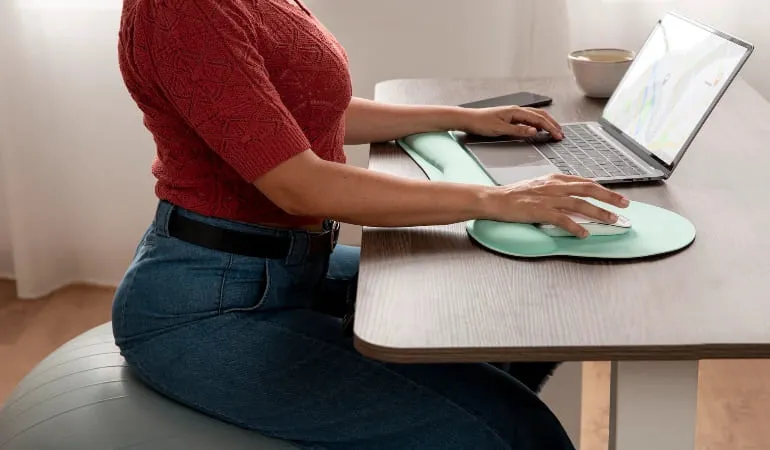
Ergonomics, the science of designing and arranging workspaces, tools, and daily activities to fit the human body, has become increasingly critical in modern life. Our daily routines often involve prolonged periods of sitting, repetitive tasks, or awkward postures, all of which can lead to musculoskeletal discomfort, chronic pain, and long-term health issues. From office workers spending hours at desks to individuals managing household chores, understanding and applying ergonomic principles is essential for maintaining spinal health, joint function, and overall well-being.
This article explores the impact of ergonomics on the body, identifies common problems caused by poor posture, and provides practical strategies for creating healthier habits and environments.
Why Ergonomics Matters for Long-Term Health
The human body is designed for movement, not static positions. When subjected to repetitive stress or prolonged poor posture, muscles, ligaments, and joints experience undue strain. Over time, this strain can lead to discomfort, chronic tension, and even structural issues in the spine and other joints. Poor ergonomics often manifests in the following ways:
- Persistent neck and shoulder tension
- Lower back stiffness or pain
- Recurrent headaches
- Reduced flexibility and range of motion
- Fatigue and decreased productivity
Addressing ergonomic concerns is critical not only to prevent discomfort but also to support long-term musculoskeletal health and functional mobility.
Common Ergonomic Challenges in Daily Life
Many ergonomic problems originate from routines that people rarely scrutinize. Key challenges include:
Desk and Computer Work: Prolonged sitting in improperly aligned chairs or using monitors at the wrong height can cause forward head posture, slouched shoulders, and lumbar stress. Over time, these habits may lead to chronic neck and back pain.
Mobile Device Use: Extended use of smartphones and tablets contributes to “text neck,” where the neck is held in a forward-leaning position for hours. This posture increases tension in the upper back, shoulders, and cervical spine.
Household Chores and Lifting: Activities such as vacuuming, gardening, or moving furniture often involve bending, twisting, or lifting in ways that strain the lower back. Without attention to proper body mechanics, these seemingly routine tasks can contribute to cumulative stress on joints and muscles.
Driving and Commuting: Sitting for extended periods with minimal lumbar support, gripping the steering wheel tightly, or leaning forward can exacerbate spinal discomfort. Combined with repetitive stops, starts, and vibration from vehicles, these habits can intensify musculoskeletal fatigue.
Principles of Good Ergonomics
Effective ergonomics involves creating an environment and adopting habits that reduce unnecessary stress on the body. Maintaining proper alignment and allowing the body to move naturally are key elements.
Neutral Spine Alignment: Maintaining the natural curves of the spine minimizes tension and distributes forces evenly across vertebrae and supporting muscles. Avoid slouching or leaning forward for extended periods. Supportive chairs or lumbar cushions can help preserve this alignment.
Proper Desk and Screen Setup: Monitor placement should be at eye level to prevent forward head posture, and keyboards should allow elbows to rest comfortably at approximately 90 degrees. Feet should be flat on the floor or supported by a footrest, reducing pressure on the lower back.
Movement and Micro-Breaks: Even the best setup cannot replace movement. Standing, stretching, or walking for a few minutes every 30 to 60 minutes improves circulation, relieves muscle tension, and enhances mental focus. Incorporating simple exercises targeting the neck, shoulders, and hips can prevent stiffness and fatigue.
Supportive Seating and Posture Awareness: Chairs with adjustable height and back support, armrests positioned for relaxed shoulders, and awareness of posture while sitting or standing all contribute to musculoskeletal health. Over time, these adjustments prevent long-term damage and discomfort.
Lifestyle and Home Ergonomics
Ergonomics extends beyond the workplace. At home, individuals can make adjustments to support comfort and reduce strain. Creating ergonomic home office setups, choosing chairs that support spinal alignment during leisure activities, and arranging work surfaces to minimize awkward bending or reaching all contribute to better musculoskeletal health. Even small changes, like adjusting the height of kitchen counters or laundry tables, can reduce repetitive strain and protect joints.
Maintaining a healthy lifestyle also complements ergonomic strategies. Regular physical activity strengthens muscles that support joints, maintaining proper posture and reducing the likelihood of strain. Weight management is equally important, as excess body weight increases stress on weight-bearing joints and the spine. Stress management, including relaxation techniques and mindful breathing, further helps prevent tension from accumulating in the muscles.
When Professional Guidance Is Valuable
Some individuals may experience chronic discomfort despite implementing ergonomic improvements. Professional evaluation can identify underlying musculoskeletal imbalances and provide targeted interventions. Specialists can recommend personalized adjustments to workspaces, exercises to restore proper alignment, and strategies to prevent further strain. For individuals seeking guidance on comprehensive musculoskeletal health, services like Cadence Chiropractic offer expertise tailored to individual needs and lifestyles.
Conclusion
Ergonomics is an essential but often overlooked aspect of daily life. Poor posture, repetitive movements, and extended periods of inactivity contribute to chronic pain, tension, and reduced mobility. By understanding ergonomic principles, creating supportive environments, and incorporating regular movement, individuals can prevent discomfort, protect their musculoskeletal health, and enhance overall well-being.
Incorporating ergonomics into daily routines is an investment in long-term health. Simple adjustments to workstations, household setups, and lifestyle habits can prevent strain, reduce fatigue, and support a body that functions efficiently and comfortably. Recognizing the importance of ergonomics empowers individuals to take proactive steps toward maintaining a pain-free, active, and productive life.