Body Sculpting: Modern Approaches to a More Defined Silhouette
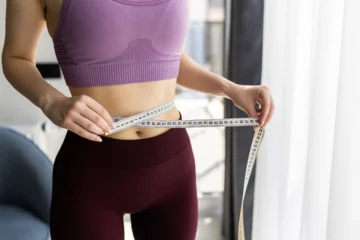
Imagine trying on a favourite outfit and noticing that its fit has changed, even though your weight has stayed much the same. Your waist, thighs or upper arms may look different as your body changes over time. For some people, this leads to an interest in body sculpting. The goal is not always to lose weight. It is often about shaping certain areas and understanding which options suit individual needs.
Key Takeaways
- Body sculpting focuses on changing the appearance of specific body areas rather than overall weight loss.
- Non-invasive treatments and surgical procedures offer different levels of change, recovery and risk.
- Healthy eating, regular movement and sleep remain important parts of long-term body care.
- Treatment choice depends on personal goals, health, body composition and professional advice.
- No single approach guarantees the same result for everyone.
Shape and Weight Are Not the Same Thing
Two people with a similar weight can have very different body shapes. This is because muscle, fat distribution, age and genetics all influence how the body looks. Weight alone does not show these differences.
Body sculpting focuses on selected areas where someone wants a more defined appearance. Common areas include the abdomen, waist, thighs, upper arms and chin. Some approaches aim to reduce local fat deposits, while others focus on muscle tone or skin appearance.
It is also worth setting realistic expectations. These treatments are not substitutes for weight management or a healthy lifestyle. They are usually considered by people who already have a stable routine but want to explore changes in particular areas.
Body sculpting discussions also bring attention to skin wellness, particularly when people want to care for areas affected by changes in texture and firmness. Red Light Therapy offers a light-based approach to skin care that can be explored alongside broader body wellness routines, although it does not replace treatments designed to reduce local fat deposits.
A Range of Options, Not One Standard Treatment
Modern body sculpting includes both surgical and non-surgical procedures. Each works differently, so understanding the basic differences matters.
Surgical options, including liposuction, involve removing fat from selected areas. They can create more noticeable changes, but they also involve anaesthesia, recovery time and surgical risks. A qualified medical professional should explain these factors before anyone makes a decision.
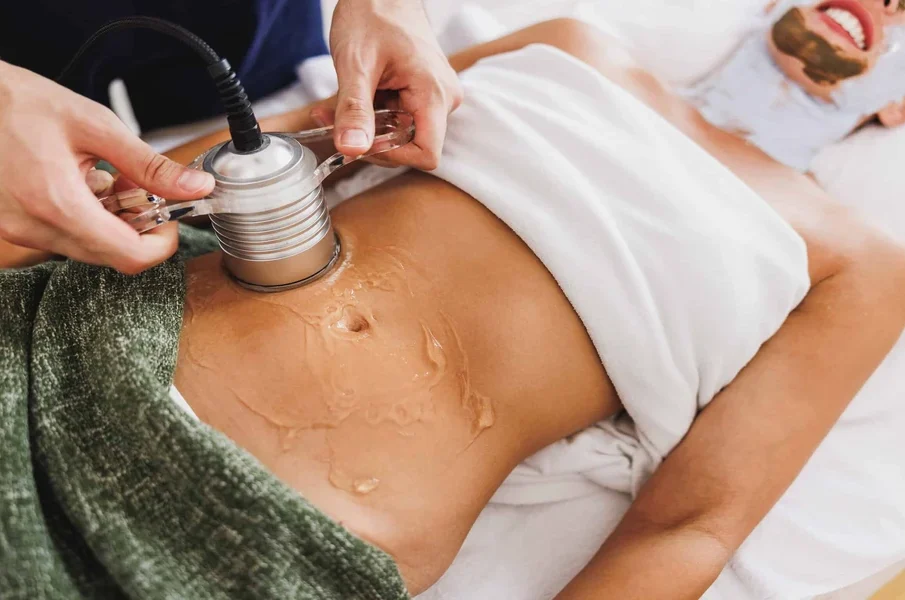
Non-invasive options do not require surgical incisions. Depending on the treatment, they may use cooling, heat, ultrasound or other forms of energy to target specific tissues. Results often develop over time and may be more gradual than those from surgery.
The right choice depends on the area being treated, the expected outcome and the person’s health. A consultation should cover possible side effects, the number of sessions, costs and how long results may last.
Where Skin Appearance Fits Into the Picture
A more defined silhouette is not only about fat distribution. Skin texture, firmness and elasticity also affect how an area looks. Changes in age, weight and natural collagen levels can influence these features.
This is one reason people sometimes explore Celluma Red Light Therapy while researching wider body and skin wellness options. Its place in the conversation is different from procedures designed to remove local fat. It should be viewed as a separate light-based approach, not a replacement for body contouring treatments or a guaranteed way to change body shape.
Skin and Light-Based Care
Red light therapy uses specific wavelengths of light and is studied for its effects on skin and cellular activity. Its role in body sculpting is different from treatments that target fat deposits. Anyone considering it should check what the device is intended to address and discuss suitable use with a qualified professional.
Everyday Habits Still Matter
Professional treatments are only one part of body care. Everyday habits influence strength, energy and general wellbeing.
Strength training helps build muscle and can improve definition over time. Activities such as walking, cycling and swimming support cardiovascular health. A balanced diet provides the nutrients needed for normal body function, while adequate protein supports muscle maintenance.
Hydration and sleep also deserve attention. Poor sleep can affect energy and make regular activity harder to maintain. Consistent habits are often more useful than short periods of strict dieting or intense exercise.
Choosing an Approach with Care
Before starting any procedure, think about what you want to change and why. A clear goal makes it easier to discuss realistic outcomes with a qualified practitioner.
Ask how the treatment works, what evidence supports it, who should avoid it and what side effects are possible. Be cautious of promises of instant results or dramatic changes without effort. Before-and-after photographs can be useful, but they do not guarantee that your experience will be the same.
A defined silhouette does not have to follow one particular shape. Body composition, natural proportions and personal comfort all matter. The most suitable approach is one that supports your goals while placing health, safety and realistic expectations first.